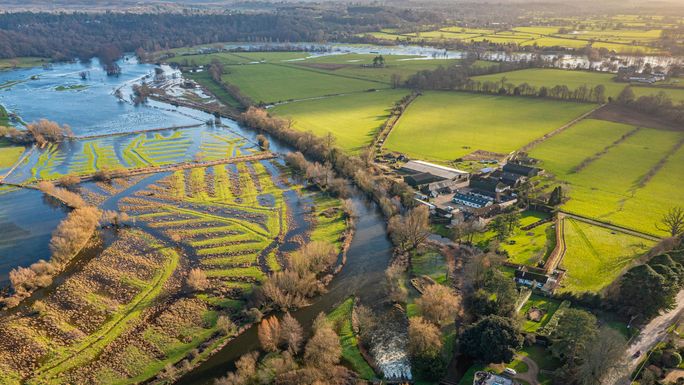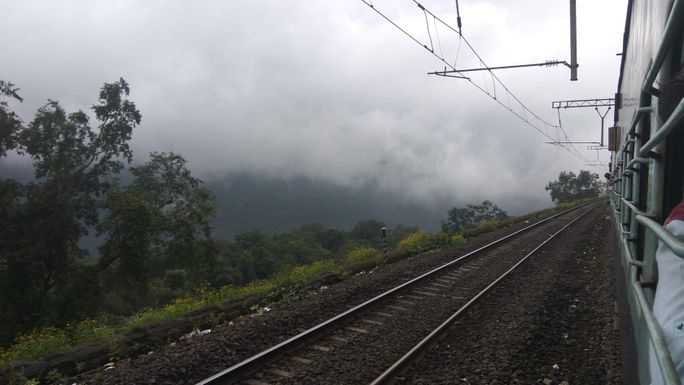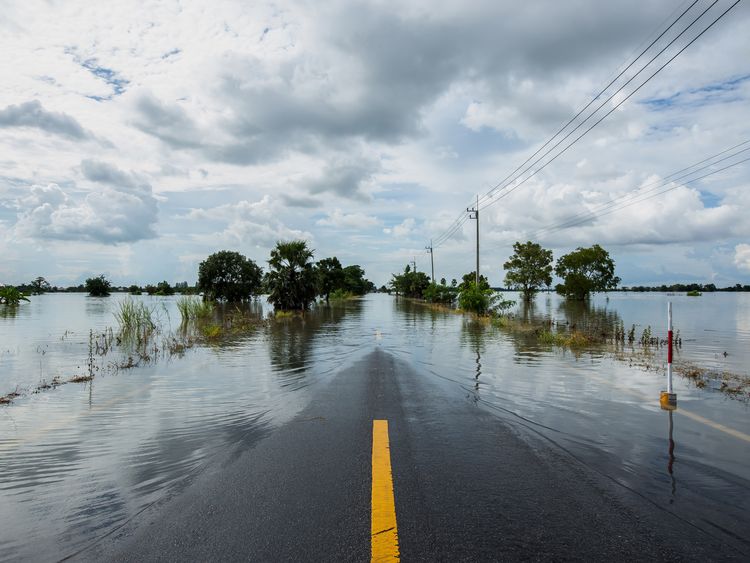
The standard aims to aid informed decision-making over an asset’s lifetime, from planning, funding and design through to construction, operation, maintenance and adaptation
Why a standard on infrastructure resilience was needed
Climate change is increasing the frequency and severity of extreme weather events such as heatwaves, droughts, storms and floods, which in turn is placing infrastructure systems worldwide under growing stress.
These systems are also becoming more complex and interconnected, meaning that the effects of a single asset’s failure could extend across sectors, communities and economies, potentially turning a local emergency into an international crisis.
Despite these and other emerging risks, there has been a lack of globally recognised guidance that countries could follow to better manage them. ISO 22372 fills this gap, providing an international framework to inform strategies for making infrastructure better able to withstand threats, absorb damage and, where disruption does occur, recover quickly and adapt accordingly.
The standard provides non-prescriptive practical guidelines to support the planning, delivery and maintenance of resilient infrastructure and thereby ensure the continuity of vital services. It has the following key features:
A common language for resilience, enabling effective collaboration between stakeholders including asset owners and operators, infrastructure developers, governments and financial institutions.
A structured approach to risk assessment that addresses climate risks, natural hazards and cascading system failures.
Guidance designed to ensure that resilience is incorporated throughout the infrastructure lifecycle, from planning and design through to operation and renewal.
Support for informed investment decisions, helping to align funding with long-term infrastructure performance, whole-life costs and risks.
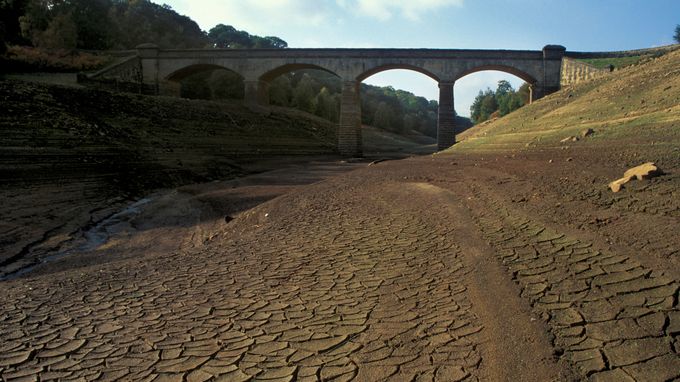
A growth in extreme weather events such as droughts is placing infrastructure systems under increased stress
How the ICE helped to shape ISO 22372
The ICE served as an official liaison organisation in the standard’s development process. It was represented on the working group by David Smith, co-lead of the ICE’s Resilience Community. This enabled its members to offer their expert input while ISO 22372 was being drafted.
The new standard “promotes collaboration, moving from silo-type thinking to a more joined-up approach across sectors”, Smith said.
“We need resilience and adaptation to be central in infrastructure decision-making,” he added. “This ISO can give infrastructure practitioners the mandate to do just so, leading to resilience net gain for communities everywhere.”
Smith said that the standard “involved input from many stakeholders and experts from countries around the world. Our input ensured that engineers were a key part of the ISO’s development in alignment with the ICE’s focus on championing infrastructure resilience.”
ISO 22372 complements the forthcoming ICE-sponsored PAS 3090 standard on climate adaptation pathways for infrastructure systems, which is being drafted by the British Standards Institution. This standard will set out a flexible approach to applying adaptation measures over time. To learn more more about PAS 3090, read the ICE’s explainer.
Billie Donovan is climate knowledge specialist at the ICE
Image credits: iStock/Weeraa/Andrew Linscott
Sign up to receive news from ICE Knowledge direct to your inbox.