The cost of coastal protection
Hall stressed that, while protective measures such as sea walls and beach nourishment are technically feasible, such schemes are costly and require a lot of upkeep.
Although these types of investments are justified to safeguard coastal towns and cities, research suggests that protecting about 30% of England’s currently defended coastline is likely to become unviable.
This could put up to 160,000 properties in smaller settlements around the country at risk from coastal erosion.
Their owners and occupiers “face increasing uncertainty”, warned Hall.
He urged policy-makers to hold “honest conversations with these communities about what the future holds” and make long-term adaptation plans.
“The greatest challenge is going to be maintaining their economic and social vitality while they adapt to the inevitable,” Hall said.
Advanced tech such as AI could help engineers to better forecast risks and optimise protective measures, Hall added. But he stressed the profession’s need to match technical knowledge with ongoing community engagement.
“No project on the coast is ‘build and walk away’,” he said.

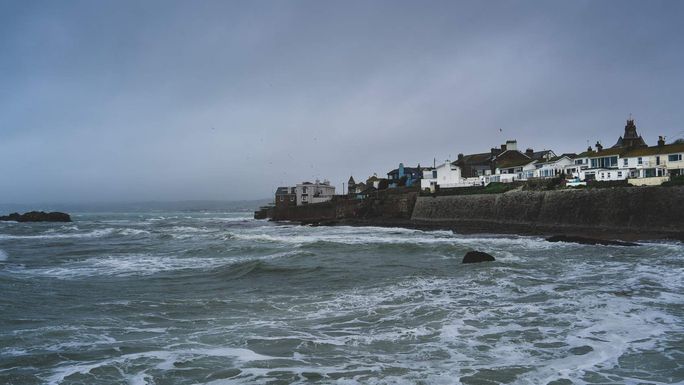
Climate change is putting more and more coastal properties at risk from erosion
Innovative engineering on show
Several presentations at Coastal Management 2025 showcased nature-based flood management measures. These included:
- brushwood-fenced sedimentation fields for saltmarsh restoration in the Severn Estuary;
- a beneficial-use wetland in Mobile, Alabama; and
- a living dike in Boundary Bay, British Columbia.
The programme also featured case studies focusing on hard infrastructure. These included the Millport flood protection scheme on the Scottish isle of Great Cumbrae and the tidal barrier being built across the River Parrett at Bridgwater in Somerset.
A welcome return after six years
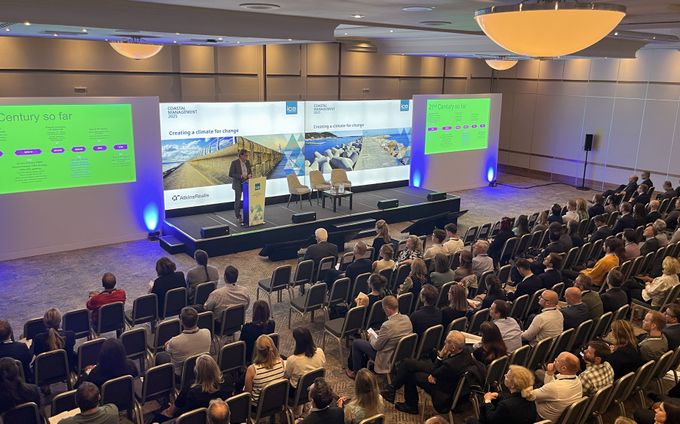
More than 250 delegates from 15 countries attended the 10th edition of this popular conference, which provided 60-plus sessions spanning policy, science, engineering and community engagement.
Chaired by Tara McVey, director at AECOM, the three-day event had the theme of “creating a climate for change”.
Professor Jim Hall’s speech to the ICE Coastal Management conference
Sign up to receive news from ICE Knowledge direct to your inbox.