ICE forms safety risk advisory group
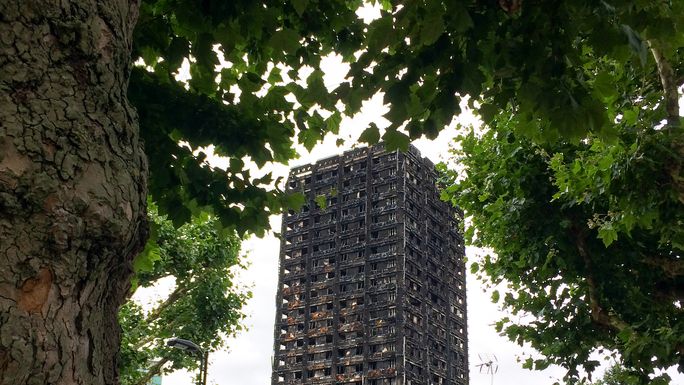
Safety was also a theme covered by Mark Hansford, the ICE’s director of engineering knowledge, in his presentation on its recently published Building Safeguards report. This is the institution’s review of how the safety risk management landscape has changed in the seven years since it published In Plain Sight: Assuring the Whole-Life Safety of Infrastructure, which was a response to the Grenfell Tower fire of 2017.
Building Safeguards identifies several factors that have made effective safety risk management more difficult over that period. They include:
- an ageing asset base;
- the growing frequency and severity of extreme weather events;
- the increasing intensity of asset use, especially in densely populated areas;
- the growing need, imposed by decarbonisation targets, to repurpose existing assets rather than replace them; and
- increasing constraints on maintenance budgets.

Alamy/Tommy London
The ICE’s Building Safeguards report follows up on progress made in safety risk management since the Grenfell tragedy
The plan has three strands: improving infrastructure professionals’ competence; strengthening the sector’s safety management culture and practice; and learning from failure.
With respect to the third strand, the institution is adding case studies of notable civil engineering failures to the Knowledge Hub. The first two in the series explain the lessons learnt from the 2018 Florida International University footbridge collapse and the 2005 Gerrards Cross railway tunnel collapse.
Get involved
The ICE Engineering Excellence Community holds three forum meetings a year to discuss ways to deliver better infrastructure more efficiently. Covering topics ranging from data analytics to systems thinking, its sessions showcase the institution’s efforts to improve the sector’s performance.
The community will hold its last forum meeting of 2025 on 17 December. Visit the ICE’s events page to register to attend this free webinar.
- Hannah Besford is knowledge programmes specialist at the ICE